
In 2024, the global mobile gaming market eclipsed 200 billion USD, and analysts now expect it to climb to 270 billion by 2026. Much of this growth stems from 5G networks, which bring latency down to under 30 ms for most users, smoothing real‑time multiplayer play. Developers are also tapping into “play‑to‑earn” models that reward players with cryptocurrency tokens, drawing a fresh wave of early‑stage investors.
Which Platforms Are Seeing the Highest Growth?
Android dominates downloads with a 70 % share, yet iOS users spend roughly 30 % more each month on in‑app purchases. The top five games of 2025 illustrate this split: three were Android‑only, two were iOS‑exclusive. Cross‑platform engines such as Unity and Unreal Engine 5 now compile natively for both operating systems, halving development time from an average of 12 months to 6 months.
Tablets have seen a 15 % rise in active sessions, thanks to larger screens and longer battery life. Foldable phones now account for 4 % of all downloads—a figure poised to double by 2026 as manufacturers release sturdier models.
What Features Are Players Demanding?
1. Social Integration: 68 % of players want to join friends’ sessions via social media or messaging apps. Studios are meeting this need with built‑in Discord and Telegram bots.
2. Cloud Saves: 52 % of users worldwide rely on cloud storage to carry progress across devices. The feature is now standard, especially for titles that offer cross‑play between mobile and PC.
3. Augmented Reality: Updates to ARKit and ARCore have lowered the entry barrier, letting developers overlay game elements on real‑world environments with under 2 ms latency. A University of Cambridge study found that AR games boost session length by 22 % on average.
4. Micro‑transaction Transparency: After a 2025 data breach exposed purchase logs, players now demand clearer receipts and spending limits. Developers are rolling out in‑app dashboards that display daily, weekly, and monthly spend.
How Are Monetisation Models Evolving?
Subscription services grew from 3 % of total revenue in 2022 to 9 % in 2025. A monthly fee of 4.99 USD now unlocks ad‑free play, early access to new levels, and a rotating collection of cosmetic items. Meanwhile, ad‑supported free‑to‑play titles are testing rewarded video ads that pay 0.5 USD per view—a rate that has doubled since 2023.
The “play‑to‑earn” sector, still niche, is projected to reach 12 billion USD in 2026, thanks to partnerships with blockchain platforms that enable instant payouts via Ethereum or Solana. However, the model remains limited to users who own a compatible wallet and are comfortable with cryptocurrency volatility.
What Challenges Could Slow the Momentum?
Regulation is a significant hurdle. In the European Union, the forthcoming Digital Services Act could impose stricter data‑privacy rules, potentially raising compliance costs by 18 % for mid‑size studios. Battery drain from high‑end graphics can also cut average playtime by 10 % on older devices, turning off casual users.
Android OS fragmentation poses another limitation. Roughly 35 % of devices still run Android 9 or lower, lacking support for the latest security patches and rendering APIs. Developers must decide whether to support older versions or risk alienating a sizable user base.
How Does Mobile Gaming Fit Into the Broader Entertainment Ecosystem?
Mobile apps are evolving into hubs for streaming, social interaction, and e‑commerce. A recent survey revealed that 48 % of gamers also use their devices to watch live streams, buy in‑game merchandise, and join virtual events—all within the same application. This convergence blurs the lines between gaming, social media, and digital commerce, offering a unified entertainment experience that’s hard to replicate on traditional consoles.
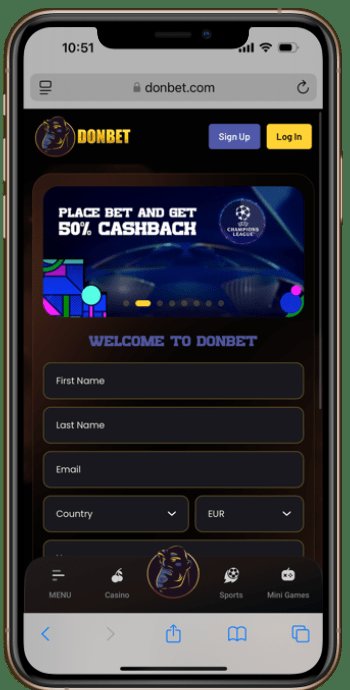
As these boundaries fade, many turn to platforms that blend activities seamlessly. For instance, the donbet casino offers a suite of entertainment options that extend beyond games, incorporating live streaming and community features.
What Should Developers Keep in Mind Going Forward?
Prioritise speed: a 10 % cut in load time can boost user retention by 12 %. Focus on localisation: 60 % of players in emerging markets favour content in their native language. And aim for sustainability: the average battery consumption of a top‑tier game is 3 Wh per hour; developers should target below 2 Wh to appeal to eco‑conscious users.
What Does the Future Look Like?
By 2026, mobile gaming is projected to represent 55 % of all digital entertainment revenue worldwide. The fusion of high‑speed networks, advanced graphics engines, and monetisation innovations will fuel this expansion. While regulatory and technical challenges persist, the momentum is unmistakable: the next wave of entertainment will unfold on screens that fit in our pockets.
Frequently Asked Questions
What’s the current size of the global mobile gaming market?
It surpassed $200 billion in 2024 and is forecasted to reach $270 billion by 2026.
How is 5G influencing mobile gaming?
5G reduces latency to under 30 ms, enabling smoother real‑time multiplayer experiences.